
Wallpaper Removal & Wall Preparation
A successful wallpaper installation begins with the surface underneath it. Removing an existing wallcovering is only the first step. Once the old paper comes down, the condition of the walls needs to be evaluated and properly prepared for whatever comes next.
With more than 30 years in the paperhanging trade, 7 Mile Paint & Paper approaches removal and preparation from the perspective of an installer. The goal isn't simply to get the old wallpaper off the wall—it's to leave behind a surface that's properly prepared for the new wallcovering.
Depending on the condition of the walls and the material being installed, preparation may include removing residual adhesive, repairing damaged areas, smoothing the surface, skim coating, sanding, priming or installing liner paper. The appropriate preparation is determined by both the existing wall and the wallcovering that will ultimately be installed.
A beautiful installation starts with what you don't see.
Serving Cape May County & the South Jersey Shore
Removing Wallpaper Is Only the Beginning
What comes off the wall can tell an experienced paperhanger a great deal about what needs to happen next. Existing wallpaper may have been installed over properly prepared drywall, old plaster, previous wallcoverings, paint, damaged surfaces or walls that were never correctly prepared in the first place.
Removal methods need to be adjusted accordingly. The objective is to remove the existing material and adhesive while minimizing unnecessary damage to the surface underneath. Once the wall is exposed, its actual condition can be evaluated.
Tears in drywall facing, loose paint, cracks, previous repairs, uneven plaster, adhesive residue and other imperfections can all affect the appearance of a new wallcovering. Some materials are more forgiving than others, while smooth, delicate or reflective wallcoverings can reveal imperfections that might barely be noticeable on a painted wall.
That's why wall preparation isn't a separate afterthought. It's part of the installation. The surface should be prepared according to the wallcovering that's going over it and the quality of finish expected when the room is complete.
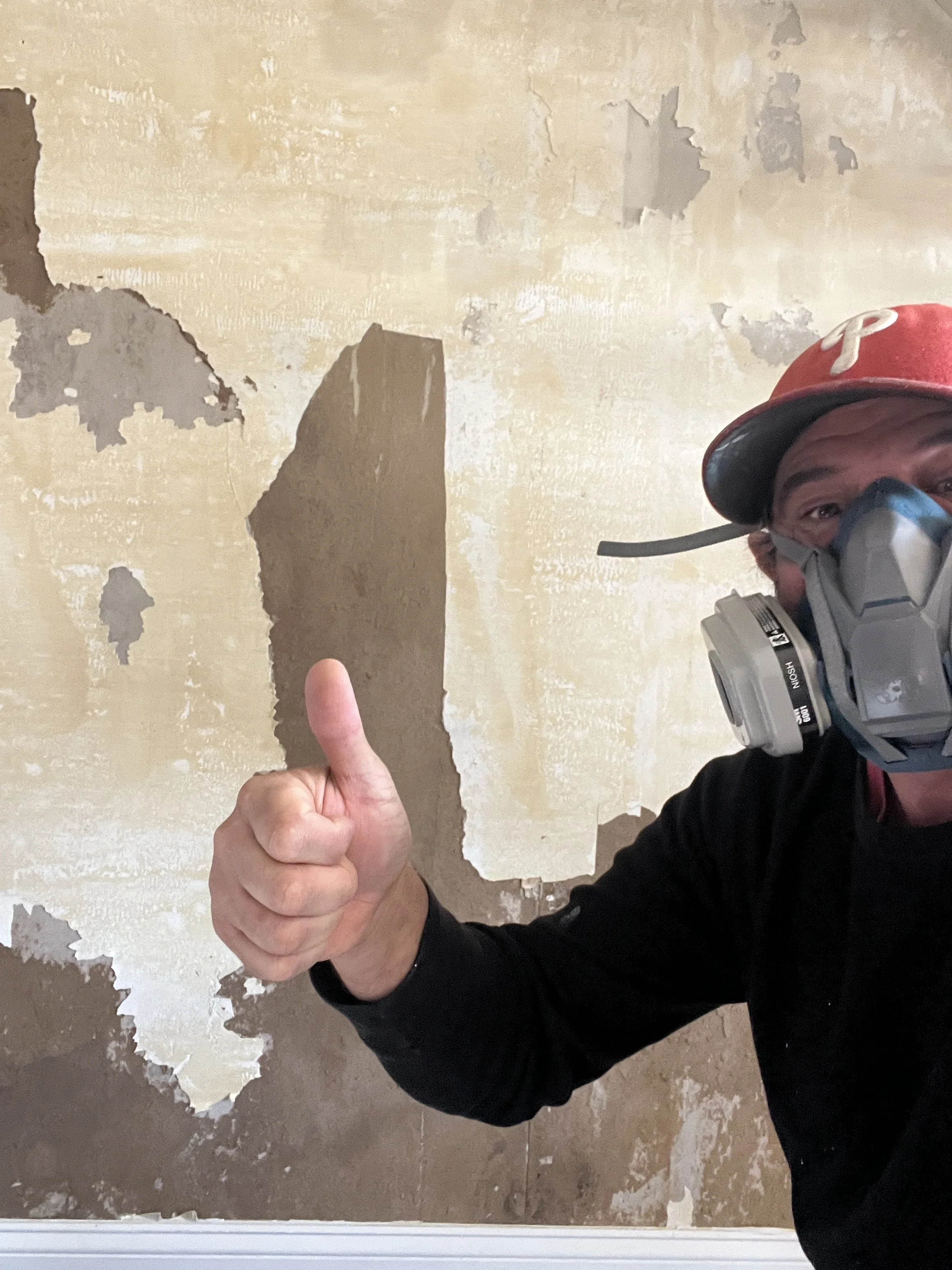
The finished wall is only as good as the surface behind it.
Preparation Depends on What Comes Next
There isn't one preparation method that's right for every wall. The condition of the existing surface matters, but so does the wallcovering that will ultimately be installed over it.
A heavier or more textured wallcovering may tolerate minor surface variations that would show immediately through a smooth or delicate paper. Grasscloth, metallics, fine designer papers and other specialty materials can each present different requirements. The wall needs to be prepared for the specific material—not simply made to look acceptable before installation.
Depending on the project, preparation may include removing old adhesive, repairing drywall or plaster, skim coating uneven surfaces, sanding, sealing damaged areas and applying the appropriate wallcovering primer. In some situations, liner paper can provide an additional layer of preparation and help create a more suitable surface for the finished wallcovering.
Older homes can present their own challenges, particularly where plaster has been repaired, painted or covered multiple times over the years. Those conditions don't necessarily prevent a beautiful wallpaper installation, but they need to be recognized and addressed correctly before the finish paper goes up.
The preparation should always be determined by the wall in front of you and the material that's going over it.
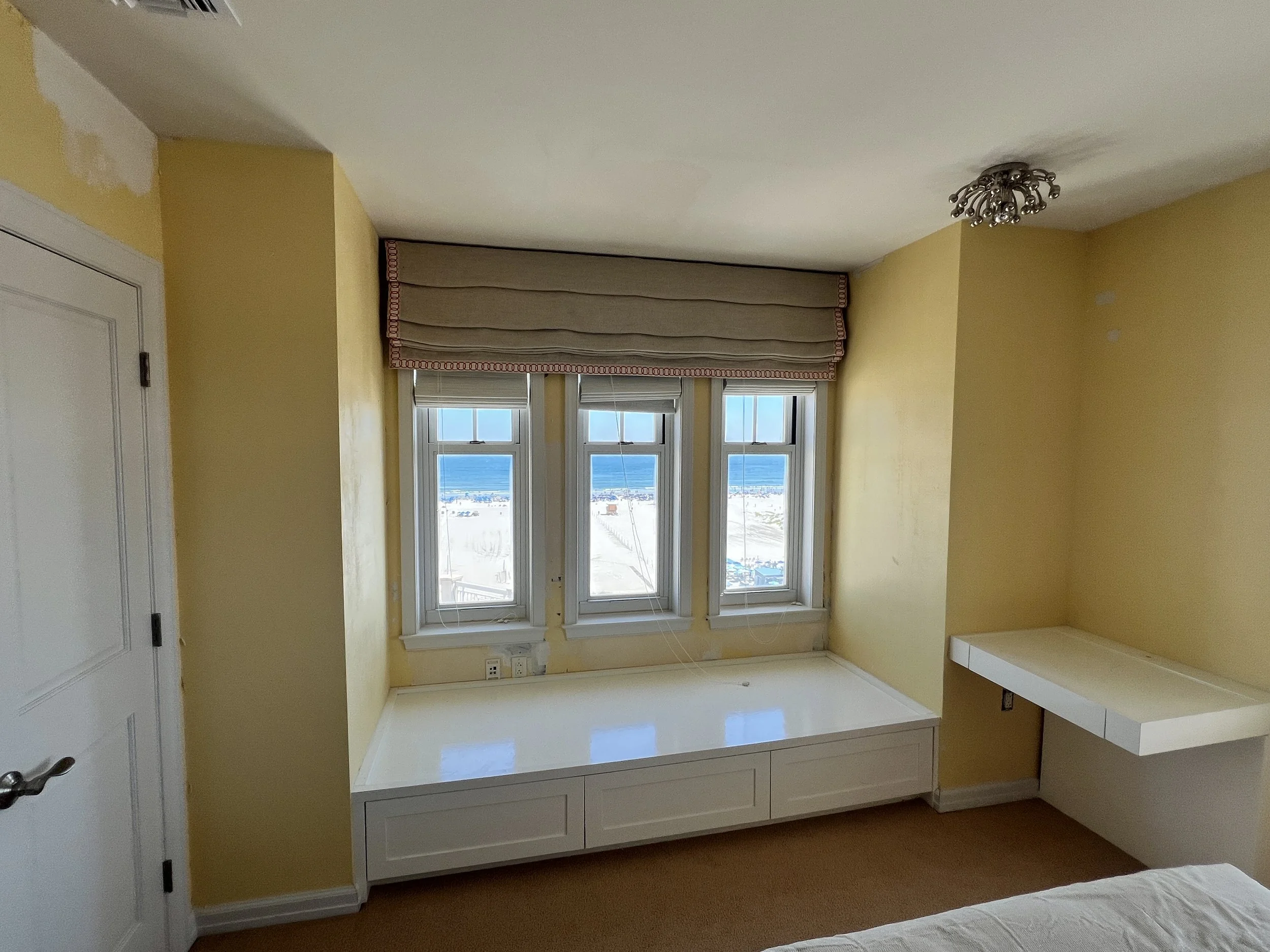
Different walls. Different materials.
The right preparation for both.
Wall Preparation Services
Proper wall preparation can involve anything from straightforward wallpaper removal to extensive surface correction. The work required depends on what's currently on the wall, the condition underneath it and the wallcovering that will ultimately be installed.
The goal is always the same: create the best possible surface for the finished installation.
Wallpaper Removal
Existing wallpaper is carefully removed using methods appropriate for the material and the surface underneath, with the goal of minimizing unnecessary damage to drywall or plaster..
Adhesive Removal & Cleaning
Residual paste and adhesive can interfere with primers and new wallcoverings. Walls are cleaned and evaluated after removal so leftover adhesive doesn't become a problem later.
Drywall & Plaster Repair
Damaged drywall, cracks, loose material and previous repairs are addressed as needed to create a sound surface before the next stages of preparation begin.
Skim Coating & Surface Smoothing
Uneven, textured or previously damaged walls may require skim coating and sanding to create the smoother, more consistent surface needed for certain wallcoverings.
Wallcovering Priming
The appropriate wallcovering primer helps create a properly sealed and receptive surface for installation while also making future removal considerably easier when the wall has been prepared correctly.
Liner Paper Installation
When the condition or texture of the existing wall requires another level of preparation, liner paper can help create a more uniform surface before the finish wallcovering is installed.
Preparation isn't the part of the job you see when it's finished.
It's the reason the finished job looks right.